LaPage Digital · Own your systems
Business systems you control.
LaPage builds websites, automation, AI Agents and reporting so your business keeps its customers, data and processes, instead of depending on someone else’s platform.
Website
Customer channel
Customers
Your data
Automation
Processes
AI Agents
Follow your process
Reports
Visibility
The dependency problem
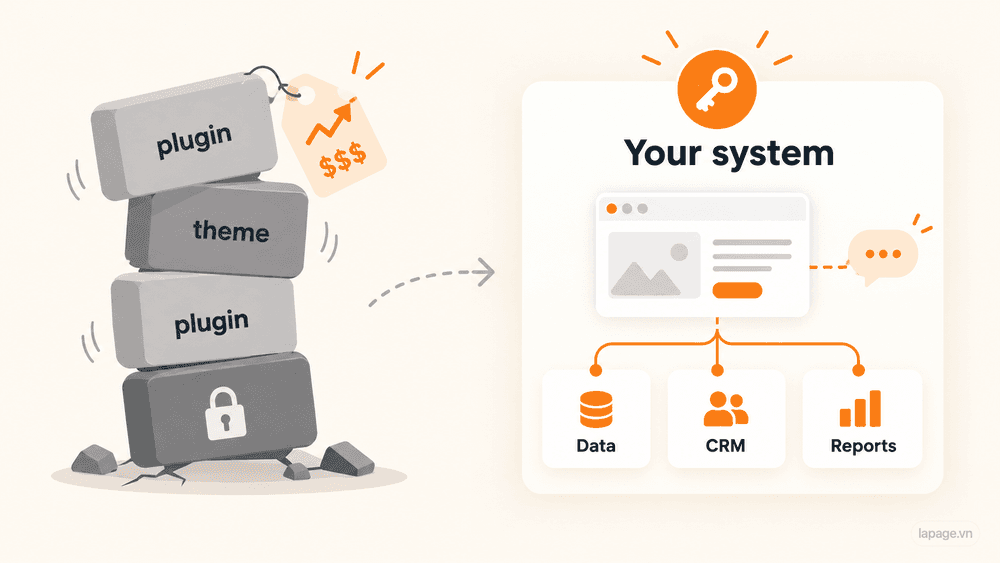
Your sales live on rented platforms.
Fees keep rising, algorithms change, accounts get locked, and the customer list stays with the platform. One rule change can take away what you built.
39-second video
From rented to owned.
Thirty-nine seconds on why your sales channel, data and processes should belong to your business, and how LaPage builds them. Sound on.
Services
Start where work gets stuck.
- 01Website designCompany and ecommerce websites you own, from VND 12.9M.
- 02Managed websiteA team that updates and improves your website every day, from VND 1M/month.
- 03Automation systemsWork moves to the next step on its own, with less re-entry and fewer misses.
- 04AI Agent systemsAI that reads information, uses tools and follows your process.
- 05Data and reportingOne shared set of numbers for the whole business, updated on time.
- 06Custom business softwareFor when spreadsheets and off-the-shelf tools no longer keep up.
- 07Managed n8n Hostingn8n that stays up, run and monitored for you.
Client voice
A technology partner, not a one-off vendor.
Websites, automation, data and custom software: clients on what working with LaPage is like.
Digital transformation
“What stood out about LaPage was their ability to look beyond the immediate technical request. Instead of simply building what we asked for, they took the time to understand our business objectives and suggested improvements we hadn't considered. It felt more like working with a technology partner than hiring a vendor for a one-time project.”
Business automation
“We used to spend hours every week handling repetitive tasks between spreadsheets, emails, and our internal systems. LaPage helped us automate much of that work. What impressed us most was how they took the time to understand our actual workflow before recommending a solution.”
Custom software
“We had some very specific operational requirements that off-the-shelf software couldn't address. LaPage worked closely with our team to develop a solution that fits the way we operate. They were practical in their approach and didn't try to make the system more complicated than necessary.”
Data & reporting
“Before working with LaPage, our reporting process involved pulling data from different platforms and manually putting everything together. They helped us bring that information into one place and made our reports much easier to maintain. Our team can now spend more time analyzing results instead of preparing them.”
Technical partnership
“We've worked with technology vendors before, and communication is often the hardest part. With LaPage, we appreciated their transparency about what was possible, what would take more effort, and which approach made the most sense for our budget. They were willing to challenge our initial ideas when there was a better solution.”
Case studies
Real problems, clear solutions.
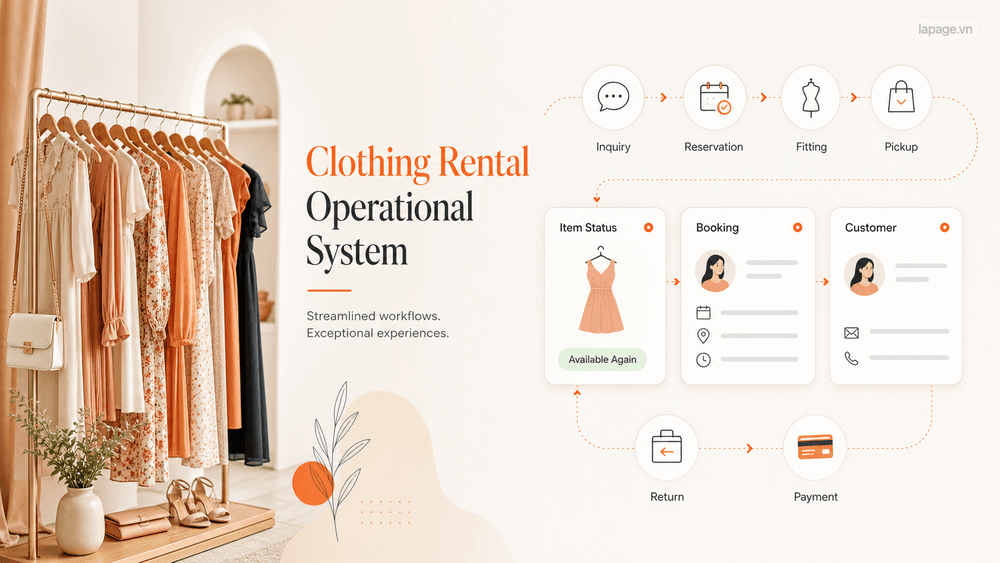
Case study
When a Clothes Rental Shop Outgrows Spreadsheets: The Tiệm Thanh Xuân Example
Tiệm Thanh Xuân is used as a practical example of why rental and service businesses often need more than a website or generic sales software. The article explains how a rental management web app can structure bookings, item lifecycle, customer records, payments, and operational visibility.
Read case study
Case study
Soulroom.vn Case Study: Turning a Website Into an Owned Brand Channel
A LaPage Digital case study on how we designed Soulroom.vn as a controlled brand channel with cinematic sequence, magazine-like layout, structured proof, direct inquiry paths, and mobile continuity.
Read case study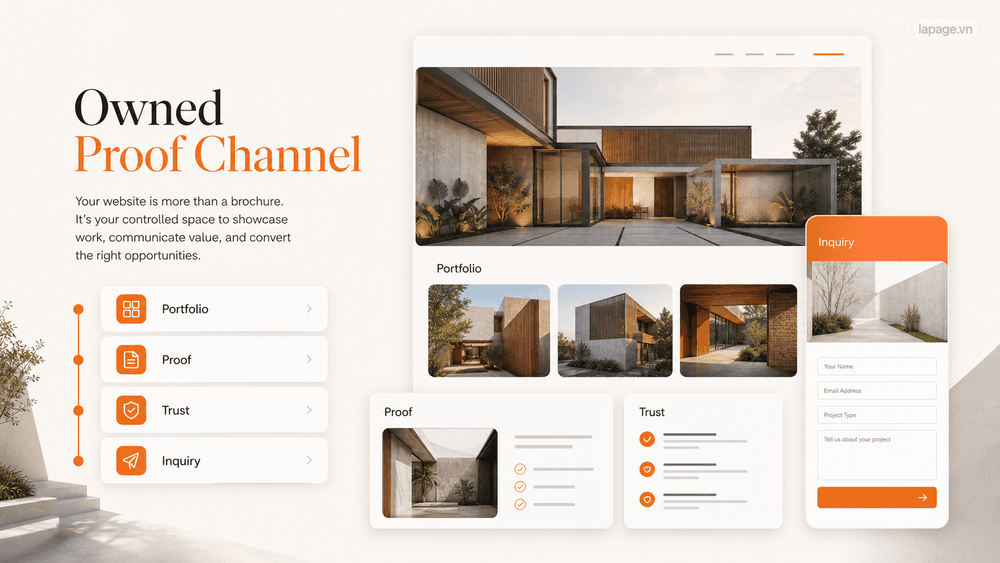
Case study
Module K: Turning Project Credibility Into an Owned Proof Channel
A LaPage Digital case study on shaping Module K’s company website as an owned proof channel for project credibility, portfolio trust, and direct inquiry conversations.
Read case studyWhy own your systems
Own your systems.
Keep using marketplaces, social media and outside software, but keep your most important customers, data and processes in your own hands.
- 01 — Customers
Your customers stay yours.
Stay in direct contact, free from algorithms and marketplace fees.
- 02 — Data
Data in one place.
Know where data lives, who can use it and which number is right.
- 03 — Assets
Assets that last.
Websites, software and processes stay with the business, even when partners change.

The person behind LaPage
“One failing part should never bring the whole system down. That is how we build business systems.”
LaPage Digital is founded and led by Huy Lan, with a background in backend engineering, infrastructure and automation.
Huy Lan
Founder, LaPage Digital
Latest articles
Practical thinking on running an independent business.
Get started
Where is your business getting stuck?
Tell LaPage how the work happens today. We will help you decide what to fix first.
Talk to LaPage