
Find the right website direction for the business
A strong website starts with clear business goals, a useful visual direction, and a delivery plan that connects content, customer journeys, and operations. LaPage brings those pieces together into one owned digital asset.
Choose the direction. LaPage builds the business asset.

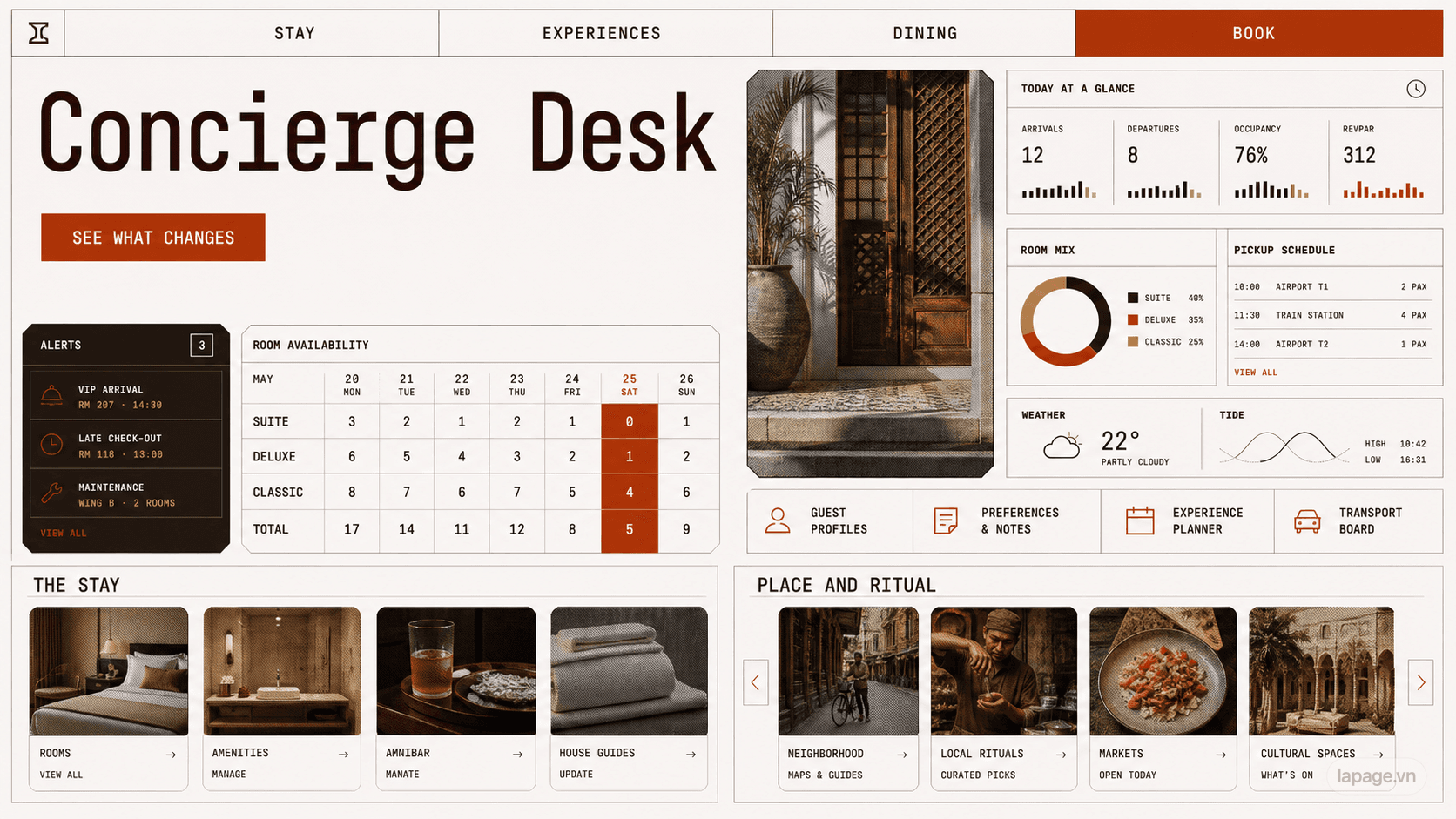
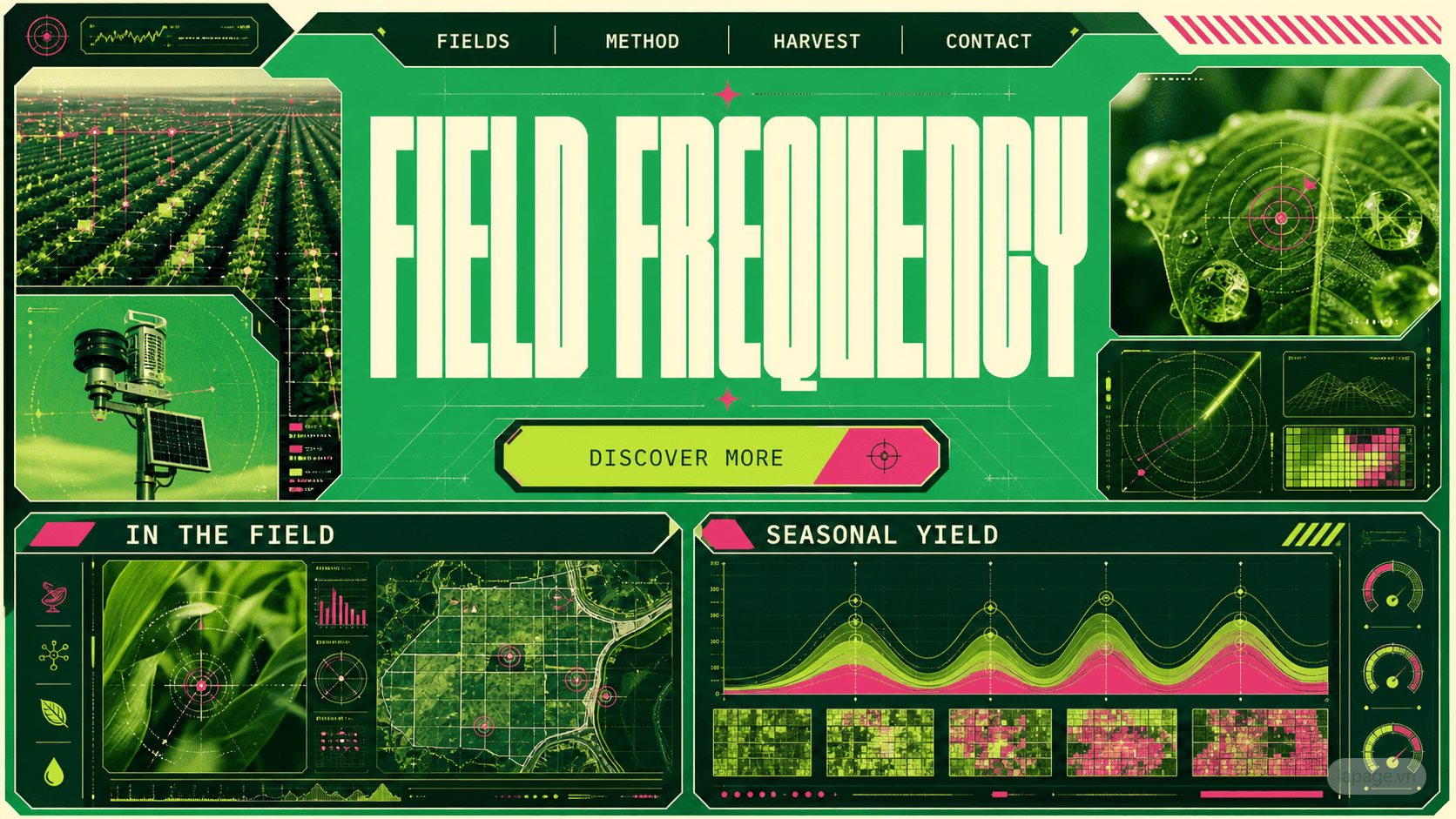
Styles remove uncertainty without limiting the final website
The direction library helps teams discuss tone, layout, density, and visual character before design work begins. It is not a marketplace and you are not buying an off-the-shelf template.
LaPage adapts the chosen direction to your brand, customers, content, page structure, features, integrations, and workflows. The result is designed for the business that will own and operate it.
From direction to a website the business can use and evolve
The process keeps visual decisions connected to commercial goals and operational needs.
Choose a direction
Select a visual starting point that fits the audience, positioning, and desired customer response.
Adapt brand and content
Translate the direction into the business's colors, typography, voice, imagery, and information structure.
Define business needs
Map pages, customer journeys, lead capture, content management, integrations, and operational workflows.
Build and launch
Implement, test, prepare content, establish analytics, and launch a production-ready website.
Evolve later
Extend content, campaigns, integrations, customer tools, and operational capabilities as the business grows.
Start with a business question, not a design label
Use these questions to enter the style library with a clearer reason for the choice.
Do customers need to trust us quickly?
Begin with clear, familiar directions that make expertise, proof, and next steps easy to understand.
See relevant directionsDoes the brand need to feel memorable or premium?
Explore distinctive directions with stronger art direction, editorial composition, or premium restraint.
See relevant directionsDo we need to explain a complex product or service?
Look for structured, information-rich directions suited to software, engineering, and operational offers.
See relevant directionsWill the website support products, bookings, or repeat actions?
Start with directions shaped around discovery, comparison, conversion, and returning customer journeys.
See relevant directionsA range of visual approaches for different business contexts
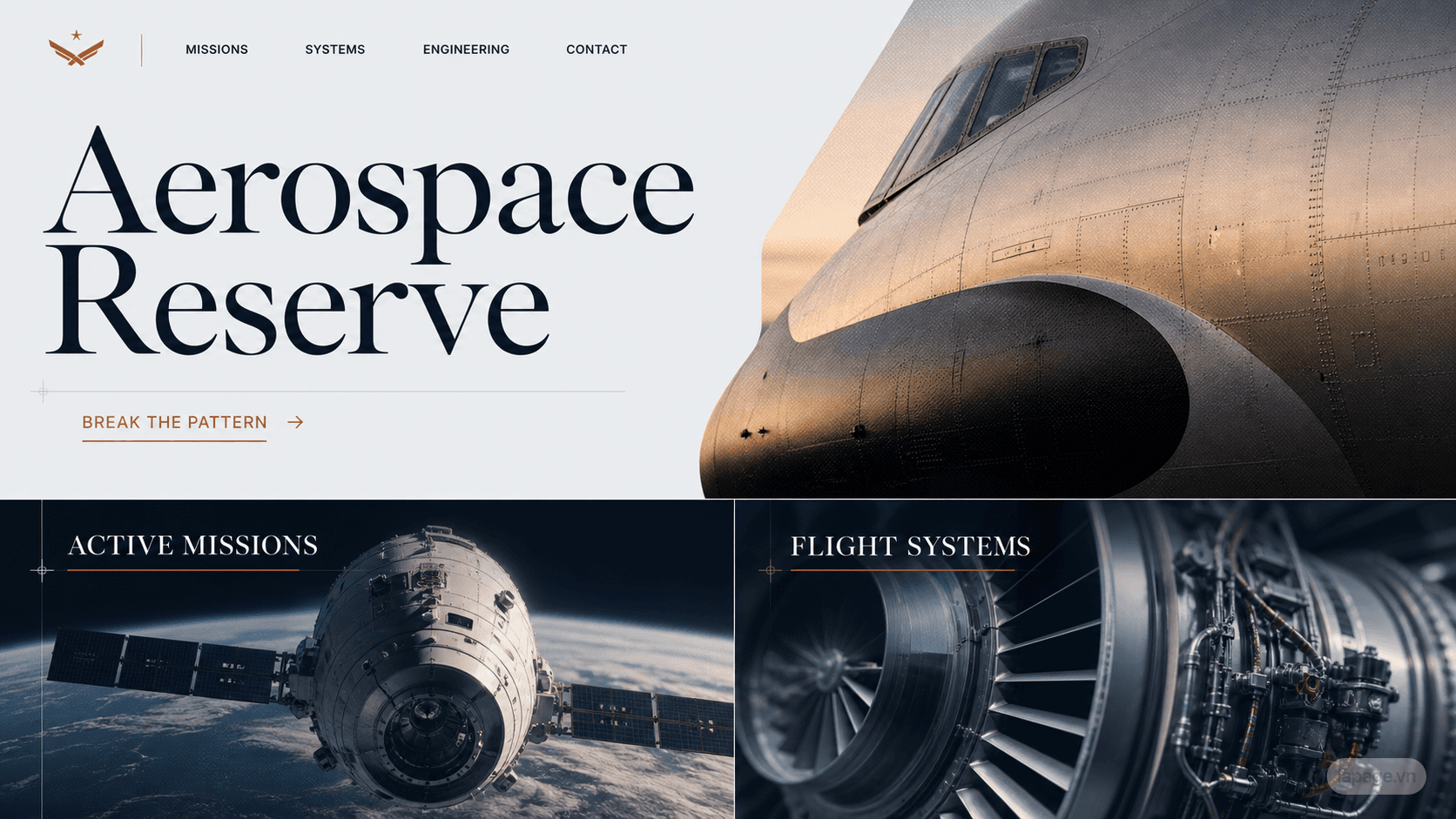
These examples show how widely the starting point can vary. The final design still changes around the business, brand, content, and required functionality.


The direction can lead to different levels of website work
The right level depends on how much the website must communicate, convert, integrate, and support after launch.
A clear, efficient commercial website
Use a selected direction as the design foundation, then adapt it to the business and required pages.
- Brand, typography, color, imagery, and content adaptation
- Responsive page system and core lead journeys
- Content management, analytics, and launch setup as scoped
Stronger differentiation and more complex customer journeys
Use the direction as shared visual language while LaPage creates more custom composition, content systems, and interaction patterns.
- Custom page structures and reusable content components
- Conversion journeys, campaigns, multilingual or editorial needs
- Business-specific integrations and measurement
Websites connected to customer or internal operations
Extend the public website into portals, workflows, transactions, integrations, or operational software.
- Accounts, portals, dashboards, bookings, or transactions
- API, CRM, automation, notification, and data integration
- Scalable architecture and managed production support
The style is adapted; the business asset belongs to the client
The project is shaped around direct customer relationships, maintainability, and the ability to evolve instead of dependence on a fixed presentation.
Visual system
Colors, typography, spacing, imagery, interface components, and motion are adjusted to the brand and audience.
Content and page structure
Navigation, page hierarchy, messaging, calls to action, and reusable content structures reflect the real offer.
Features and workflows
Forms, content management, customer actions, integrations, analytics, and operational flows are scoped to the business.
The website and customer channel
The business gains a direct, branded destination for customer discovery, trust, conversion, and service.
Content and operating knowledge
Structured content, customer journeys, measurement, and documented workflows remain useful beyond the initial launch.
A foundation for future systems
The website can expand into campaigns, portals, commerce, automation, reporting, or other operational capabilities.
Review how LaPage approaches websites and systems under real constraints
The case-study archive documents implementation decisions and delivery work across websites, custom systems, automation, data, and infrastructure. Use it to understand the broader delivery approach without relying on invented promises.
Choose a direction or define the project first
Both paths lead to the same goal: a website shaped around the business, owned customer relationships, and the systems needed to support future growth.